
DELAWARE TASK FORCE
   Project Update! On January 29, 2014, Amy Quinlan of the Delaware Task Force participated in the RJIP's presentation at BJA's Enrichment Day. For the full presentation, click here.
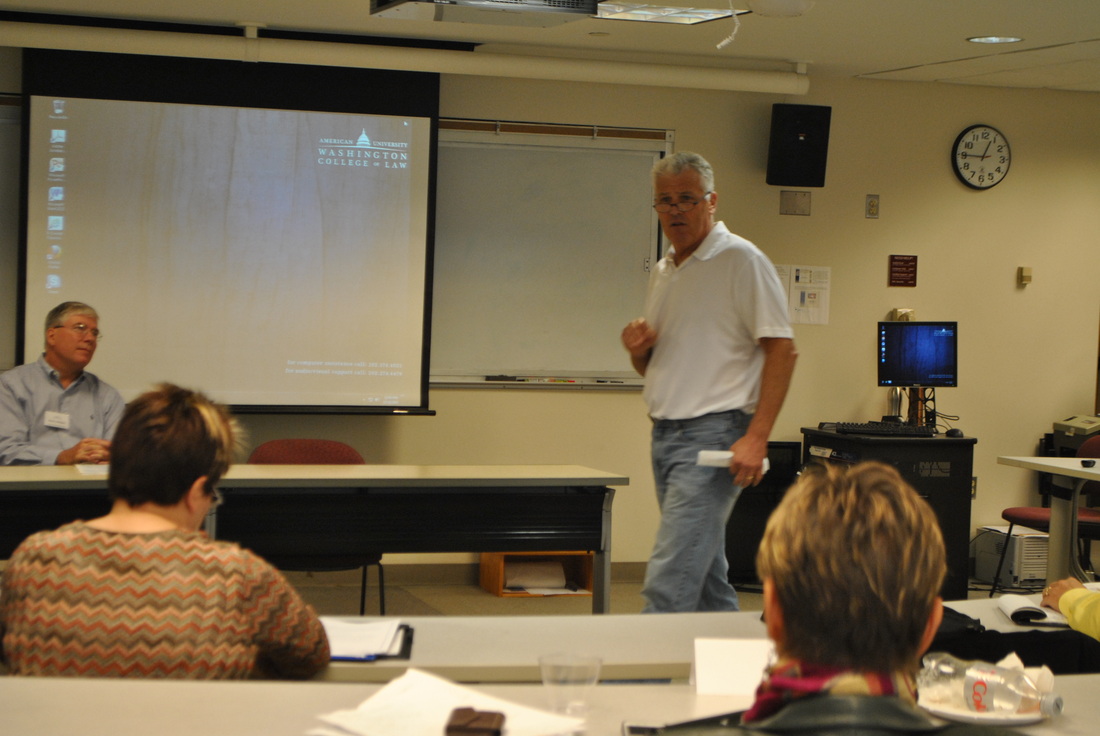
On Monday, July 18th 2011 The Racial Justice Improvement Project Delaware Task Force held a workshop training event on Bias-Free Decision Making at the Dover Sheraton Hotel in Dover, Delaware. All Forty-Two Supervisors of the Delaware Probation Department were required to attend this training. The following members of the Delaware Task Force: Curt Shockley, Director of Probation and Parole, Justice Henry DuPont Ridgley, and Colonel Robert Coupe, representing the Delaware State Police, presented during this day-long training. Special thanks to Delaware Task Force Members Amy Quinlan and Drewry Fennell. Agenda Photos |
The Delaware Task Force examined probation violation practices in the state. The task force collected data that determined that Blacks are violated at a higher rate than similarly-situated white probationers. The Task Force has conducted a statewide training for probation officers on “bias-free decision making.”
Key Objectives of the Delaware Reform include:
The following modifications have been developed in DACS to support the above objectives:
The implementation of these functions provides the Department with a tool to better manage its offender population and enables the implementation of operational efficiencies. Furthermore, these changes provides the Probation Officers with a guideline that drives the sanctions based on predefined, objective criteria. Final Evaluation Findings:
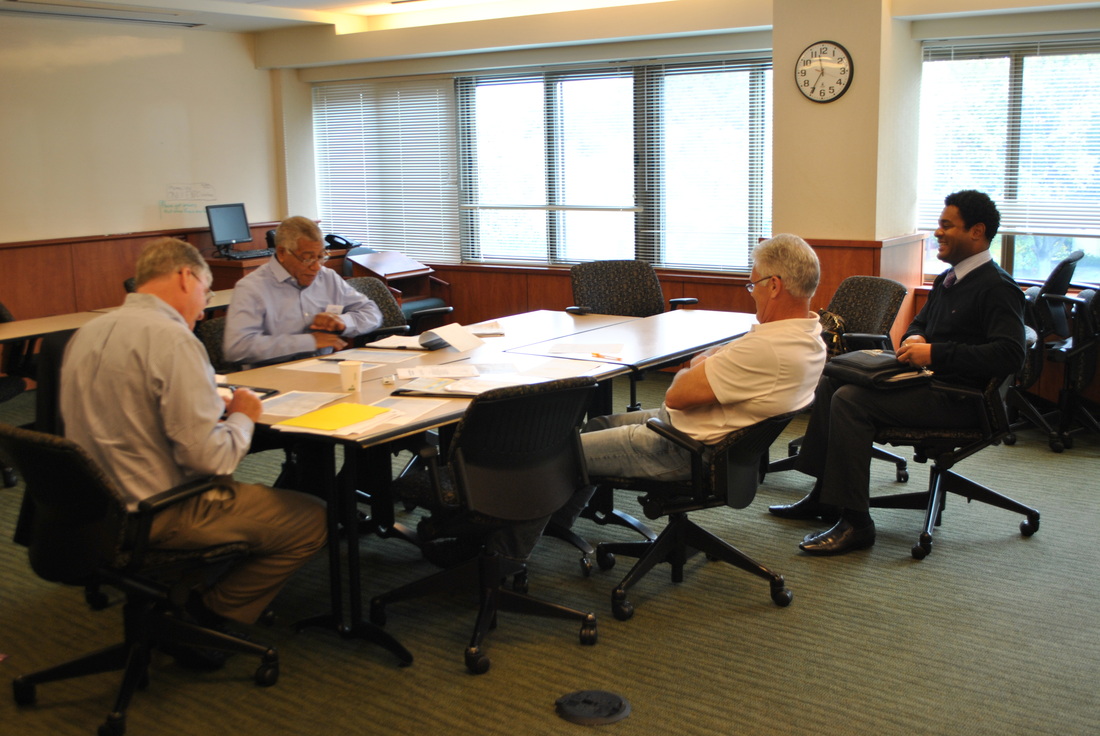
Delaware Task Force Meets with CSOSA |
|
Data and Resources
Outcome Evaluation Plan, please click here. 2013 Individual Level II and III VOPs Data, please click here. 2011 Comparison of VOPs to Probation Population by Race. PO Survey Data for Report, please click here. Data Report, please click here. Declaration of Leading Practices, please click here. 2013 Online survey, please click here. Current Events in the Delaware AreaData Collection |
Relevant Links and Documents |
This website is funded in whole or in part through a grant from the Bureau of Justice Assistance, Office of Justice Programs, U.S. Department of Justice. Neither the U.S. Department of Justice nor any of its components operate, control, are responsible for, or necessarily endorse, this website (including without limitation, its content, technical infrastructure, and policies, and any services or tools provided).
